Finding your own photography style is one of the most exciting—and sometimes most challenging—parts of growing as a photographer. When you’re starting out, it’s easy to feel overwhelmed by the amount of inspiration out there. You scroll through Instagram, browse endless Pinterest boards, and study the work of your favorite photographers, wondering: How will I ever develop a style that’s truly mine?
The good news is: your unique style is already within you. It’s not about copying others or choosing a trendy preset. It’s about exploring, experimenting, and listening to your creative instincts. In this article, we’ll walk through the key steps to help you discover, develop, and refine your own photography style—without overcomplicating the process.
What Does “Photography Style” Really Mean?
Before we dive into the steps, let’s get clear on what “style” actually means in photography.
Your style is the visual signature that sets your work apart. It’s a combination of your choices—your favorite subjects, the way you frame a shot, the colors you enhance, the emotions you highlight. Over time, this combination becomes recognizable, even when your name isn’t attached to the photo.
For example:
- Some photographers are known for their dark and moody tones, while others go for bright and airy vibes.
- Some love minimalist compositions, others go bold with color and texture.
- Some focus on raw emotion, others on symmetry and perfection.
Your style doesn’t need to fit into a box—but it does need to feel authentic to you.
Step 1: Explore All Kinds of Photography
In the beginning, don’t worry about being consistent. In fact, give yourself permission to be inconsistent.
Try shooting:
- Street scenes
- Portraits
- Landscapes
- Architecture
- Abstract details
- Food
- Still life
- Pets
- Candid family moments
- Daily objects under different lighting conditions
Each genre teaches you something different. For example, street photography hones your eye for timing and human emotion. Landscape photography teaches you about natural light. Still life helps you master composition and control. Even photographing your breakfast under morning light can reveal a new aesthetic direction.
Think of this phase as your photographic playground. The more you explore, the more you’ll understand what excites you and what doesn’t. Don’t limit yourself to what’s “popular” or “commercial.” This phase is about discovery, not perfection.
Step 2: Study What You’re Drawn To
Create a folder (digital or physical) of images that deeply resonate with you. Don’t analyze them yet—just collect.
After a while, go back and look for patterns. Ask yourself:
- What kinds of subjects keep showing up?
- Are there similarities in color, mood, lighting, or composition?
- Do you gravitate toward candid moments or carefully posed shots?
These patterns are clues to your inner creative voice. The more you identify them, the more you can start to consciously apply them to your own work.
This applies not only to photos taken by others, but to your own past images. Review your previous shoots with fresh eyes. You might notice recurring decisions you didn’t realize you were making.
Step 3: Practice Intentionally
Once you’ve noticed the patterns, start shooting with those elements in mind. Let’s say you realized you’re drawn to soft lighting, earthy tones, and intimate moments. Great—now design shoots around those qualities.
Intentional practice is where your style begins to take shape. You’re not just clicking the shutter anymore—you’re making decisions based on what speaks to you artistically.
Plan small personal projects. For example:
- A series of portraits using only natural light from windows
- A day-in-the-life photo diary with warm tones and minimal distractions
- A set of moody black-and-white still life images with deep shadows
These small series not only improve your consistency, but help define your visual identity over time.
Step 4: Edit with Purpose
Editing is where your photos come to life. It’s also a powerful tool for shaping your visual identity.
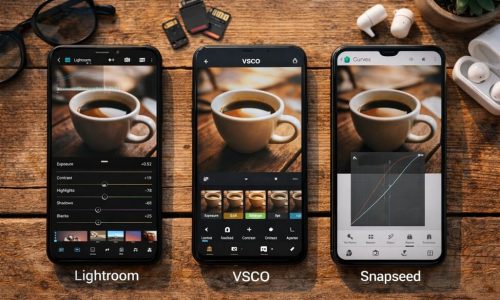
Choose editing tools that let you experiment—like Adobe Lightroom, Capture One, or even mobile apps like VSCO—and start developing a signature look. You don’t need a full preset pack. Instead, ask:
- Do I like warmer tones or cooler ones?
- Do I prefer soft contrast or strong shadows?
- Do I desaturate certain colors?
Editing isn’t just technical—it’s emotional. The way you process your images reflects how you interpret a moment.
💡 Pro tip: Save your favorite edits as presets—not to apply blindly, but to build consistency.
Over time, your editing preferences will become part of your style DNA.
Step 5: Be Honest with Your Inspiration
We all get inspired by other photographers. That’s not a problem—it’s part of the process. What matters is how you use that inspiration.
When you see a photo you love, ask:
- What exactly do I like about this?
- Is it the composition, the color palette, the mood?
- How can I apply this idea in a way that feels like me, not like a copy?
There’s a big difference between copying and being influenced. Learning from others is how all creatives grow. The goal is to internalize, not imitate.
Create mood boards, but always ask: What am I learning from this reference?
Step 6: Embrace Imperfection
In the quest for style, perfection is a trap. Some of the most powerful photography feels raw, messy, even accidental. That doesn’t mean you shouldn’t strive for quality—but don’t let technical perfection block emotional connection.
Often, your quirks become your signature.
Maybe you always shoot slightly underexposed. Maybe you love motion blur. Maybe you frame things a little off-center. Those details matter. They tell the viewer: this is how you see the world.
Great style doesn’t come from technical mastery alone. It comes from courage—the courage to be yourself, to take risks, and to show your perspective.
Step 7: Share Your Work and Listen (But Not Too Much)
Putting your work out there is a vital part of finding your style. It gives you feedback, builds your confidence, and helps you notice which images resonate with others—and with yourself.
But beware of chasing likes or compliments. Your photography style is not defined by popularity. It’s defined by what feels meaningful to you.
Engage with communities, post on social media, join challenges—but always filter feedback through your own intuition.
Sometimes, the images that get the most attention are the ones that feel least like you. Stay grounded.
Step 8: Create Personal Projects
One of the fastest ways to build style is by working on personal projects. These projects don’t need to be grand or public. They just need to be yours.
Some ideas:
- “Morning Light” – a photo series capturing how light hits your home at different times
- “People I Love” – candid portraits of your friends and family
- “Color of the Week” – find and shoot everything in one specific color for seven days
Personal projects give you structure and direction while still allowing creative freedom. They also create a body of work that reflects your style more clearly than random, isolated photos.
Step 9: Study the Masters—Then Break the Rules
It’s essential to study the work of iconic photographers. Learn from their composition, lighting, subject choice, and storytelling. Look at:
- Vivian Maier
- Henri Cartier-Bresson
- Diane Arbus
- Annie Leibovitz
- Steve McCurry
- Saul Leiter
Analyze what made their styles timeless. But remember—they didn’t follow rules. They created their own.
Take what inspires you, then break away. That’s how your style emerges—not from imitation, but transformation.
Step 10: Stay Curious
Style is not a destination. It’s a process. Your taste, your skills, and your experiences will evolve—and so will your photography.
Stay curious. Stay open. Keep learning.
Sometimes, a new lens, a new city, or even a new emotion will shift your perspective—and that’s beautiful. Let your style grow with you.
Bonus: Use Writing to Reflect on Your Style
One tool that’s often overlooked by photographers is writing. That’s right—words can help shape your visual identity.
Try this: after each shoot, take 5 to 10 minutes to write about it.
- What did you enjoy?
- What frustrated you?
- Which photos felt the most “you”?
- What would you change next time?
This kind of reflection trains your creative eye and helps you become more intentional. Over time, you’ll start to notice recurring themes not only in your photos but also in your thoughts—this is where your true style begins to reveal itself.
You can even create a personal photography journal or blog to track your growth. It’s not about being a great writer—it’s about observing your own process and building clarity.
Bonus: Don’t Confuse Style with Trends
Many new photographers fall into the trap of equating “style” with what’s trending. While trends can be fun and inspiring, they’re not a foundation for authentic work.
Your style should feel timeless—to you.
If you’re constantly chasing what’s popular (be it presets, poses, or Instagram aesthetics), you risk becoming invisible in a sea of sameness. The photographers who stand out are those who stay true to their voice, even if it doesn’t fit the current aesthetic.
Trends fade. Your perspective, when developed with care, will grow stronger over time.
Here’s a simple test: would you still love this photo 5 years from now, even if no one liked it on social media? If yes, you’re close to your style.
Your Style Is Already Inside You
You don’t have to force a style or rush to define one. You just have to keep showing up, keep creating, and keep noticing what feels true.
Photography is not just about capturing images. It’s about expressing how you see the world—and that’s something no one else can replicate.
So go take the photo. Experiment. Trust your instincts. Your style is waiting for you to discover it—and the first step is just picking up the camera.