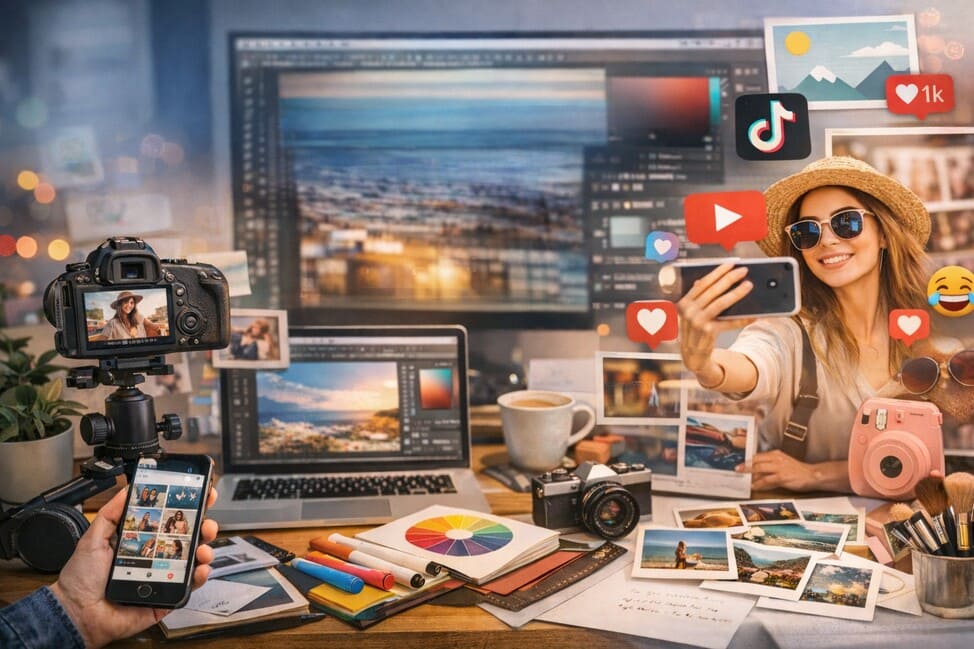
We live in a world where images don’t just speak louder than words — they shape realities, define lifestyles, and influence decisions. Visuals have become the dominant language of the digital era, and understanding this is essential for navigating, creating, and connecting with intention. This evolving form of communication, shaped and amplified by technology, is known as digital visual culture.
But this culture is much more than pretty pictures or well-edited videos. It is directly linked to how we express ourselves, build our identities, and make sense of the world around us. Digital images are not only aesthetic — they are symbolic, emotional, and strategic.
In the sections below, we’ll dive deep into this universe that blends art, communication, behavior, and technology. You’ll understand what digital visual culture is, how it emerged, why it’s so important, what its core elements are, and how to apply it in your daily life — both personally and professionally.
What Is Digital Visual Culture?
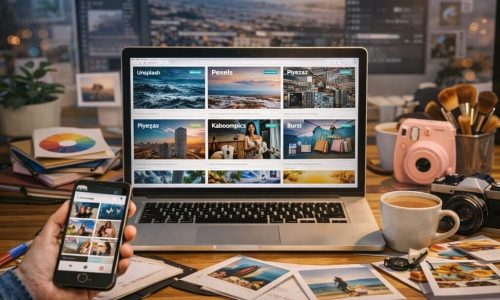
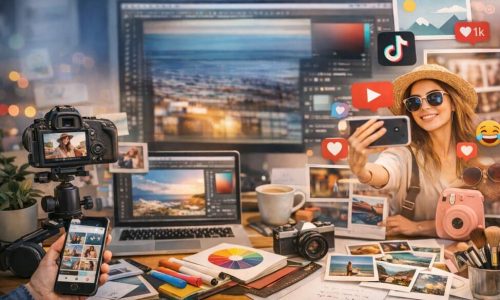
Digital visual culture is the set of practices, languages, and meanings built through images shared in digital spaces. It includes everything from Instagram photos to viral memes on X (formerly Twitter), TikTok videos, graphic design in websites, and visual marketing campaigns across social media.
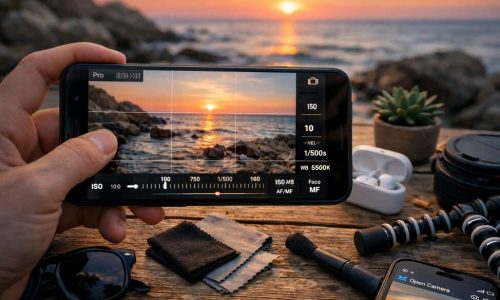
It’s how we communicate visually through digital technologies — smartphones, editing software, social platforms, and design tools. Digital visual culture isn’t just about what we see, but also why and how those images are created, shared, and consumed.
Today, all of us — professionals or not — are active producers and consumers of visual content. Your Instagram feed, the way you edit a selfie, the colors you choose for a post, or the aesthetic of a YouTube video — all of that is part of your participation in this culture.
The Evolution from Visual Culture to the Digital Age
Before the internet, visual culture was limited to physical formats: printed photographs, television, film, billboards, and magazines. With digitalization and especially the rise of smartphones, there was a revolution in how we access and share images.
Visual culture became digital when:
- Online platforms allowed instant sharing of images;
- Filters and editing apps transformed everyday aesthetics;
- User behavior started being shaped by visual trends;
- Algorithms began influencing what we see, like, and replicate.
Today, images are created for screens — optimized for feeds, stories, and thumbnails. Digital images have their own codes, rules, and meanings — and those who understand them gain voice, relevance, and visibility.
Why Digital Visual Culture Is So Important
1. It’s the Language of the Digital Age
We live in a society of the image. Emotions, ideas, and identities are communicated visually. A single image can tell a story, position a brand, or shift perceptions. Being able to “read” and create in this language is a must-have skill.
2. It Influences Decisions and Behaviors
People decide what to buy, where to eat, whom to engage with, and even what to believe based on images. Visuals play a central role in persuasion and influence. In advertising, the visual impact often determines the success of a campaign.
3. It Shapes Personal and Social Identity
The way we present ourselves online — profile pictures, feed aesthetics, filters — constructs our digital visual identity. This affects how others see us and how we see ourselves.
4. It Boosts Careers and Businesses
Professionals who master digital visual culture stand out. Designers, photographers, social media managers, content creators, advertisers, and influencers all benefit from understanding this language.
5. It Creates Emotional Connection
Great images evoke emotion, spark inspiration, and build connection. They speak directly to the subconscious, stirring empathy, nostalgia, desire, or admiration. That’s why visuals are so powerful in modern communication.
Core Elements of Digital Visual Culture
Aesthetic
Digital aesthetics are not fixed but constantly shaped by trends, filters, platforms, and online subcultures. From minimalist clean to analog vintage, colorful maximalism to futuristic cyberpunk — each aesthetic communicates emotion and intention.
Composition
The way an image is constructed — framing, color, contrast, lighting, motion — shapes perception. Composition isn’t just technical; it’s visual storytelling.
Visual Narrative
A great image or visual sequence tells a story. Whether it’s a carousel post or a 60-second video, the visual journey has a beginning, middle, and end — and a clear message.
Curation
In digital visual culture, selecting what to show is just as important as creating. A curated visual presence shows style, intention, and professionalism.
Algorithm and Reach
What appears in your feed is influenced by algorithms that prioritize certain visual patterns — like bright colors, faces, or dynamic movement. Understanding this gives you more control over reach and engagement.
How to Apply Digital Visual Culture in Your Routine
1. Observe More Consciously
Start looking at your own feed and those of creators or brands you admire with a critical eye. Notice visual patterns, color palettes, photo styles, framing. Seeing intentionally is the first step to creating intentionally.
2. Build Your Visual Identity
Choose a color palette, an editing style, and a visual language that reflect you or your project. This brings coherence and recognition to your digital presence.
3. Tell Stories with Images
Don’t just post random images. Think about how they connect, what message they deliver, and what emotion they evoke. Use visuals as narrative tools.
4. Use Accessible Tools
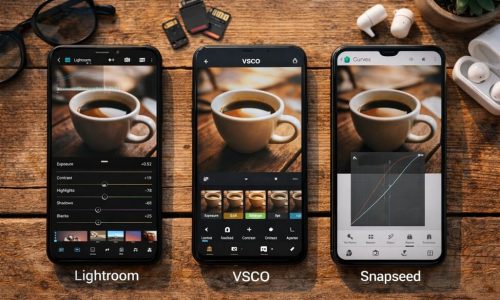
You don’t need to be a professional designer to apply digital visual culture. Tools like Canva, CapCut, Lightroom, VSCO, and InShot allow you to create high-quality visuals with ease.
5. Follow Aesthetic Trends
Digital aesthetics evolve fast. Filters, editing styles, layout formats — they all change. Stay updated so you can adapt or reinvent your content without losing your essence.
Careers and Projects Shaped by Digital Visual Culture
- Designers: Create visual identities, UI/UX elements, branding, and graphic assets tailored for digital experiences.
- Photographers: Capture images with emotional or commercial impact aligned to trends and brand strategies.
- Influencers: Build authentic narratives through lifestyle visuals that resonate with followers.
- Content Creators: Teach, inspire, entertain, and engage through intentional imagery and video.
- Digital Entrepreneurs: Use visual storytelling to position their brands, products, and services online.
- Marketers & Brand Strategists: Use visual assets as core components of brand communication and positioning.
Step-by-Step Guide to Building Your Digital Visual Culture
Step 1: Discover Your Visual Essence
Reflect on what you want to express. What emotions or ideas should your visuals convey? What does your audience feel when they see your content?
Step 2: Choose a Color Palette
Colors evoke emotion and brand recognition. Select tones that reflect your personality or mission and keep them consistent across platforms.
Step 3: Define Your Image Style
Do you prefer natural or heavily edited images? Bright or muted tones? Dynamic or soft composition? Choose a style and stick with it for a period.
Step 4: Build a Moodboard of References
Collect images, creators, brands, and styles that inspire you. This will help you recognize patterns and shape your creative direction.
Step 5: Create with Purpose
Avoid posting just for the sake of it. Think about composition, message, and visual consistency. Each image should speak to your audience.
Step 6: Analyze and Adjust
Observe what resonates and what doesn’t. Test new formats and styles. Visual culture is living and adaptable.
Images as a Bridge Between People, Ideas, and the World
More than a trend, digital visual culture is a powerful tool for expression and connection. It enables people to communicate emotion, perspective, identity, and thought instantly. In a digital world where attention is currency, the right visual can make all the difference.
Mastering this language doesn’t just improve your content — it transforms your presence in the world. Whether you’re building a creative portfolio, developing a personal brand, managing a blog, or launching a digital product, visuals are at the heart of meaningful communication.
And in a visual and digital world, that’s not optional — it’s essential.